24.03.26
Permisson to exist as more than ‘the other’
By Hongying Zhong and Dina Mehmedbegovic-Smith
Image top: The King’s Tower at the British Library
Pedagogies of Voice, Experience and Belonging
Introduction
It has been a particularly inspiring period of collaboration on the module Perspectives of Literacy Learning , on MA in Literacy programme, on which I co-teach with the module leader: Dr Josh Franks. Earlier this term, I led a session on autobiographical approaches with children and adults, exploring how personal narratives can open powerful spaces for connection, identity investment and application of Healthy Linguistic Diet framework (HLD) – where learners draw on the full richness of their cultural, linguistic and lived experiences.
We then had the pleasure of extending these conversations through an excellent session on oral history at the British Library, led by Ms Debbie Bogard, from the British Library Education Team. The session offered a rich and engaging perspective on how oral histories – particularly those centred on the experiences of the Windrush generation – can be meaningfully integrated into teaching and learning, while affirming diverse identity trajectories.
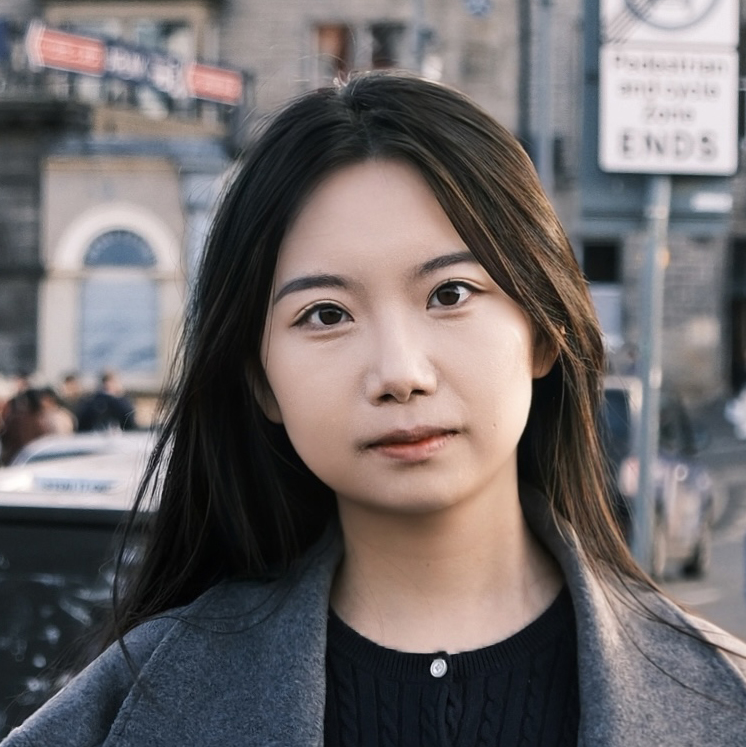
What follows are the reflections of one of our MA students, Miss Hongying Zhong, whose thoughtful response competently connects autobiographical approaches, oral history and key principles of Healthy Linguistic Diet approach. These reflections capture precisely the kind of critical, reflexive engagement we aim to foster through our teaching. I chose her words: ‘permission to be more than “the other”, as the title for this blog, since they powerfully encapsulate the transformative potential of pedagogies of belonging.
I would like to thank my colleagues, Dr Josh Franks and Ms Debbie Bogard, for our inspiring collaboration and teamwork, as well as our MA students for their enthusiasm, openness and willingness to contribute and reflect so meaningfully.
To all followers of Healthy Linguistic Diet, I wish a productive, reflective and multilingual International Day of Multilingualism, 27.3.
This blog is available bilingually, in English and Mandarin.
Dr Dina Mehmedbegovic-Smith
Healthy Linguistic Diet Ltd Director
Student Reflection
Dear Dr Dina,
It was wonderful to see you again yesterday at the British Library.
Throughout the session, I found myself returning to our earlier discussions of your work on autobiographical approaches and Healthy Linguistic Diet framework, and I wanted to share a few reflections with you.
The focus on using oral history to teach the experiences of the Windrush generation made me realise that this is, in many ways, a form of autobiographical narrative. As you describe in your work, giving children access to first-person accounts allows them to engage with history as lived, embodied and often multilingual experience. In this sense, each individual becomes the expert of their own story.
The question of how to approach the more difficult aspects of Windrush history reminded me of your discussion about working with refugee children and the sensitivities surrounding topics such as home, family and displacement. Your point about preventing children from internalising victim identities felt particularly important: how do we teach about injustice without defining entire communities through suffering alone? The session’s emphasis on dignity, resilience and contribution seemed to offer a powerful way forward—one that aligns closely with the values of Healthy Linguistic Diet framework, especially its belonging pillar.
I was also reminded of your application of the Maximum Identity Investment principle, after Jim Cummins. When children encounter Windrush stories – whether through oral histories or family narratives – they are being invited to invest their identities in their learning. They are not only learning about others, but also about themselves, including their cultures and their multilingual repertoires. As you argue, this creates conditions in which learners build on what they already have and know; their prior linguistic and cultural experiences are not dismissed, but recognised as the foundation for future learning.
I also wanted to share something Josh mentioned in a brief conversation. He reflected that he represents the perspective of someone who has always lived in the UK, while students like us, or those from migrant backgrounds, bring different voices into the room. This stayed with me and made me think again about your work. So much of what you write and do feels like an effort to support individuals in finding a sense of belonging and to challenge the persistent feeling of being an outsider—particularly for those navigating complex hybrid identities.
Creating space for different voices is not simply about adding diversity; it is about making it possible for people to see themselves reflected in the stories shared in the classroom. Your work gives people permission to exist as more than “the other”, recognising them as complex and unique individuals. That feels profoundly meaningful.
The session at the British Library, so skilfully delivered by Ms Debbie Bogard, genuinely brought your work to life for me in new ways.
Thank you again for all the inspiration.
Hongying Zhong
UCL MA in Literacy Student
About the author